




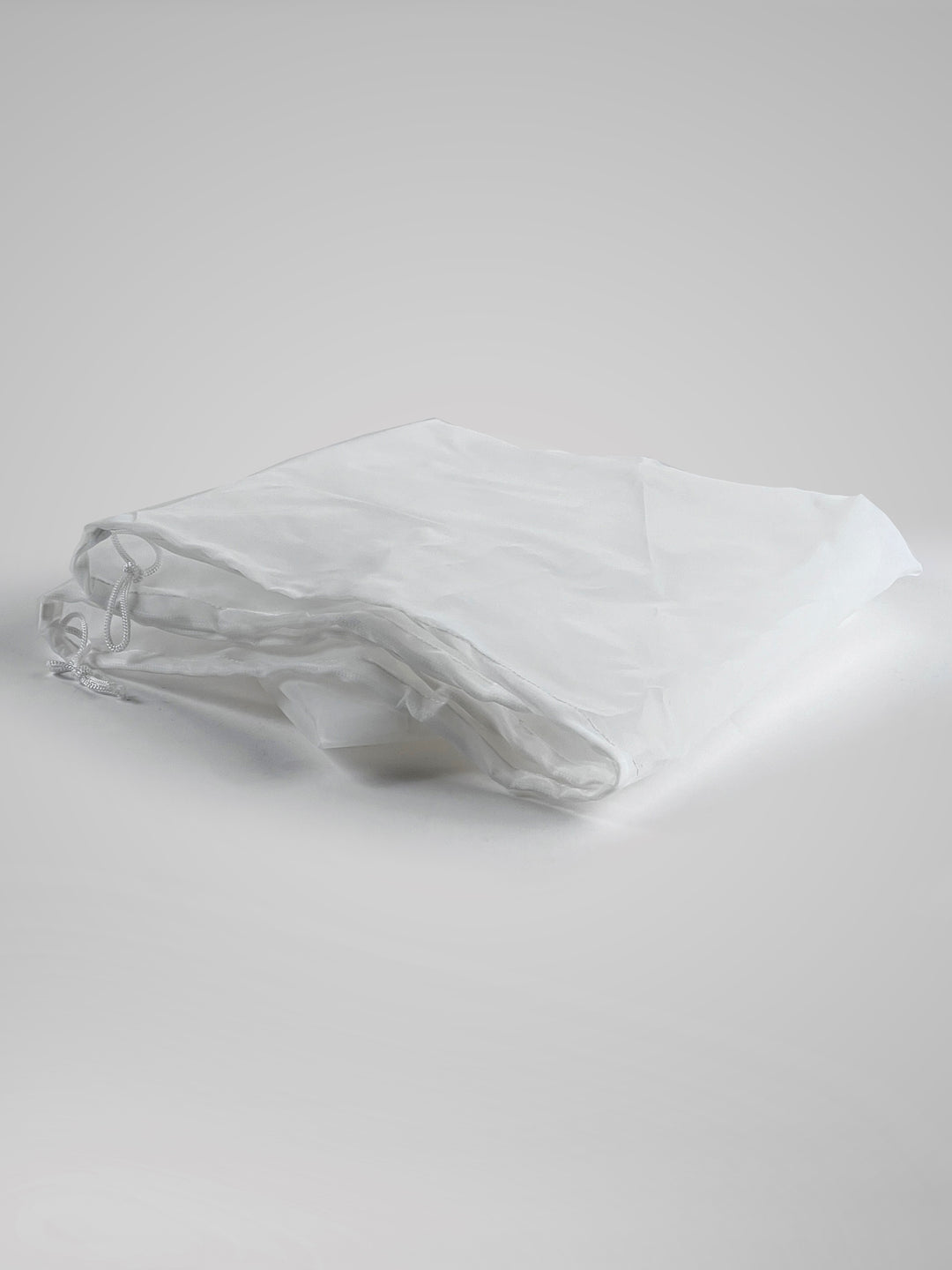
Extra bag for the Neversink Tools Greens Spinner. Use a second bag to keep batches moving efficiently or as a dedicated bag for shoots and microgreens.
Compatibility
Choose the size that matches your Greens Spinner: 10 gallon or 20 gallon.
Includes: One bag. Greens Spinner sold separately.
Greens Spinner
Greens Spinner
Speed Modification
RPM
Relative force
Pressure on Greens
10 Gal Standard
560
67 g
20 PSI
20 Gal Standard
460
53 g
21 PSI
10 Gal High Speed
660
92 g
28 PSI
20 Gal High Speed
560
78 g
31 PSI
The standard RPM for the Greens Spinner is designed to produce about 20–21 PSI of pressure on the greens. This pressure sheds excess water without damaging delicate greens.
Pressures above 21 PSI may result in creased greens that may only be visible under magnification. The high-speed modification is for customers who prioritize shorter spin times. At higher speeds, more care is needed to balance the load and prevent wobbling.
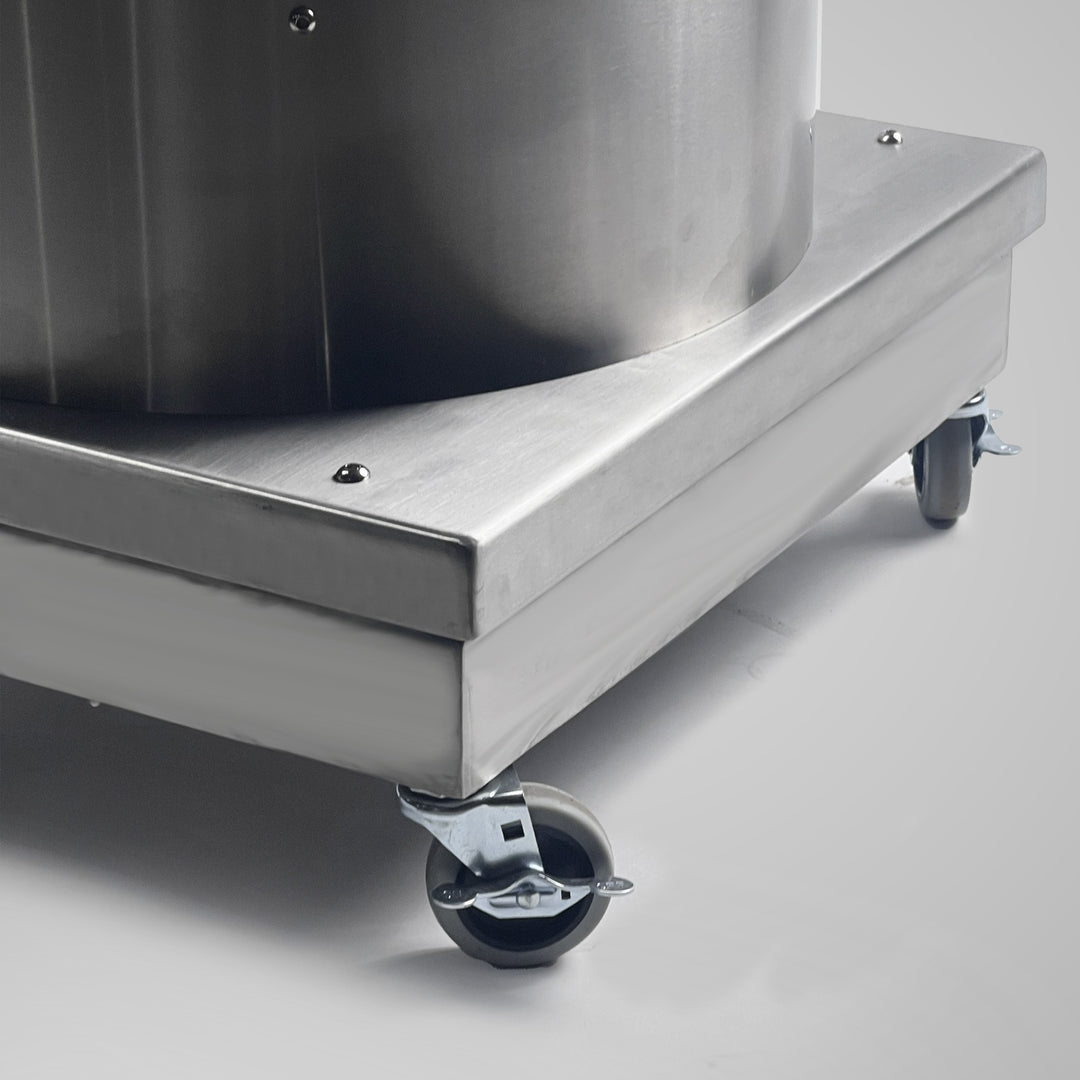
Rubber Castors
Choose the optional NSF rubber castors if you need to move your Greens Spinner. All castors lock in place.
Castors are not as stable as the standard rubber feet. On smooth floors, a rubber mat is recommended under the spinner to help keep it from walking.
Dry Greens
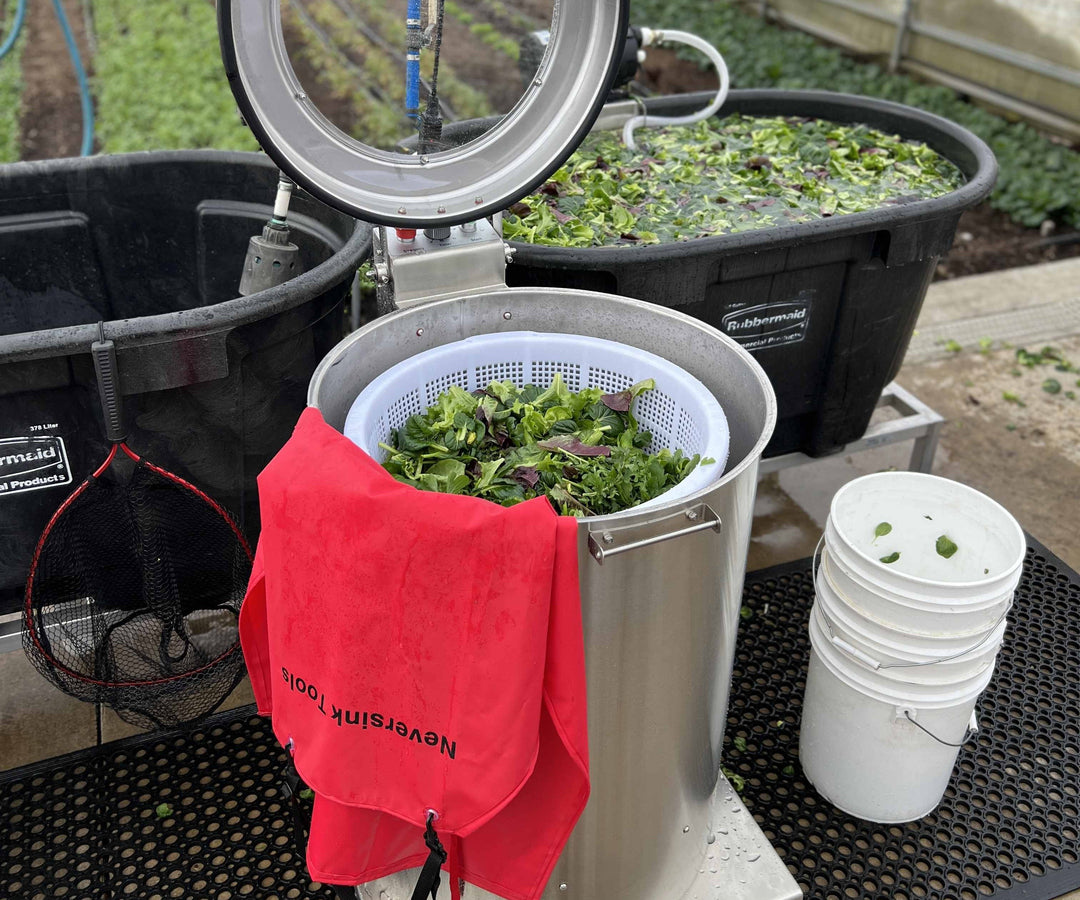
Fast, Efficient Drying
Fast, repeatable drying for farms producing salad greens at commercial scale.
New
Digital Timer
Set the spin time once and reuse the same setting for repeatable spin cycles.
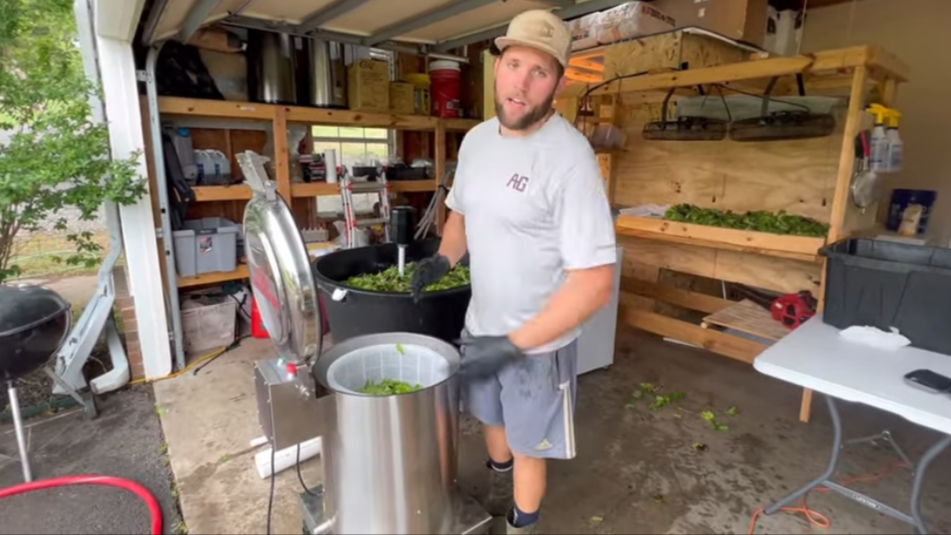
Farmer Greens Spinner Review Video
Best Practices
Greens should be evenly distributed in the basket. If the machine wobbles excessively, shut it off and gently shake the basket to redistribute the greens.
Spin the greens for one or two minutes, stop the machine, and gently shake the basket. Then spin for another minute to help shed any trapped water.
Never put greens under fans after drying. This will desiccate them. For the longest storage of greens, they should not be completely dry. There should be some moisture left.
Greens Spinner Cleaning and Sanitizing
Clean and sanitize the greens spinner after each use.
- Turn off and unplug the spinner.
- Remove the basket and rinse away loose plant material.
- Wash the basket and all accessible food-contact surfaces with warm water, mild detergent, and a soft cloth or brush.
- Rinse thoroughly with clean, potable water and allow excess water to drain.
- Apply a commercially prepared, EPA-registered, alcohol- or hydrogen-peroxide-based sanitizer labeled for use on food-processing equipment and hard, nonporous food-contact surfaces. Follow the product label for dilution, application method, contact time, rinsing requirements, and air-drying.
- Do not reconnect power or operate the spinner until all components are completely dry.
Do not immerse the spinner, use a pressure washer, or direct water or sanitizer into the motor, switch, electrical components, ventilation openings, or bearing housings. Do not use abrasive cleaners, bleach, or strongly acidic or caustic chemicals.
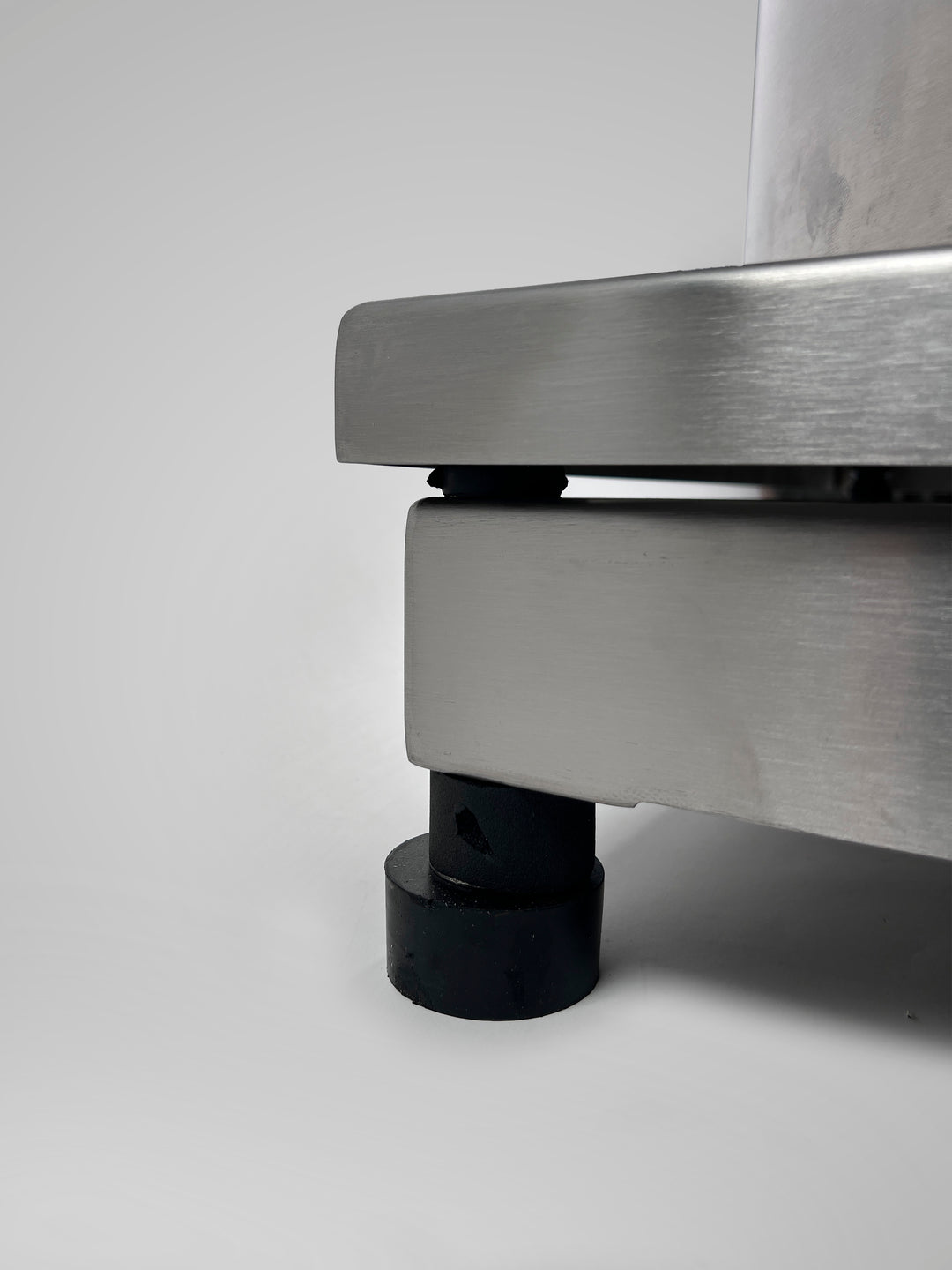
Stays in Place
Isolation Base
Achieve optimal performance with our heavy-duty, spring-loaded rubber feet and isolation gasket system.
Greens must be evenly distributed in the basket for smooth operation. On smooth floors, a rubber mat is recommended under the spinner.
Microgreens Bag and Greens Basket
Included
Spinners are measured by capacity rather than product weight. Available in 10-gallon and 20-gallon models.

Greens Spinner Frequently Asked Questions
Choose between the 10-gallon and 20-gallon models based on your batch size and wash-pack volume. Spinner size refers to basket capacity rather than a fixed weight of greens.
A common starting point is one to two minutes, then stop and gently shake or redistribute the basket before spinning for another minute if needed.
Stop the machine and redistribute the greens evenly in the basket. An unbalanced load is the most common cause of wobbling.
The spinner includes the matching greens basket and microgreens bag for the size selected.
The standard rubber feet provide the most stable setup. Choose the optional locking casters if you need to move the spinner. On smooth floors, a rubber mat can help keep the machine from walking.
Turn off and unplug the spinner, remove the basket, wash and rinse accessible food-contact surfaces, and sanitize with a product labeled for food-processing equipment. Do not immerse the machine or direct water into the motor, switch, electrical components, ventilation openings, or bearing housings.
Washing machines are designed to extract water from clothing, not gently dry delicate produce. Their internal construction can also be harder to inspect and sanitize for food-processing use. A converted machine may expose greens to much higher spin forces than needed, increasing the risk of creasing or damaging leaves.
The Greens Spinner is intentionally tuned to shed water rather than squeeze it from the leaves. Our standard settings produce about 20–21 PSI of pressure on the greens. In our testing, that balance removed excess water while protecting delicate leaves and shelf life. A slightly longer spin with a gentle shake or redistribution between cycles is preferable to simply increasing force.