

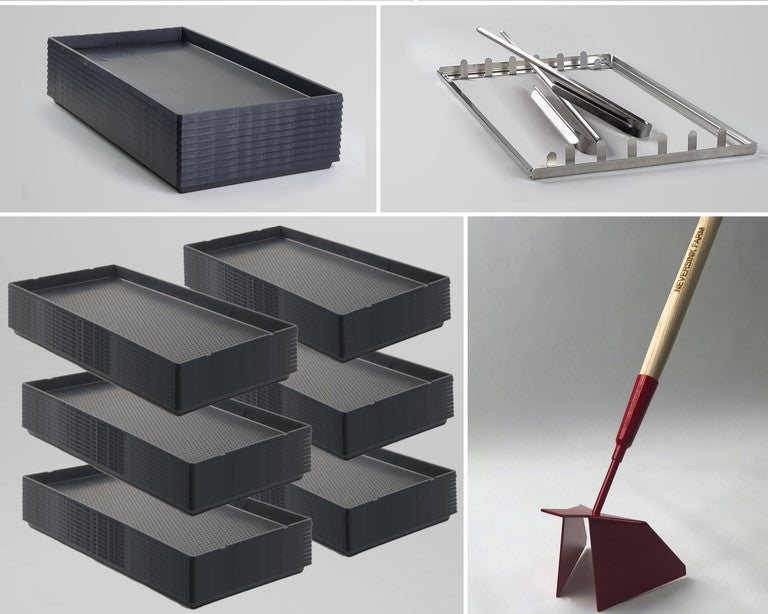





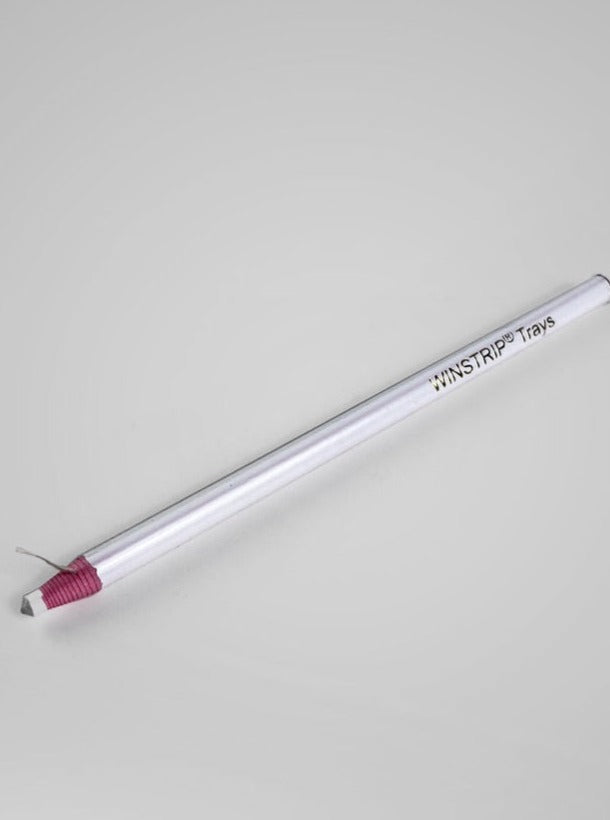
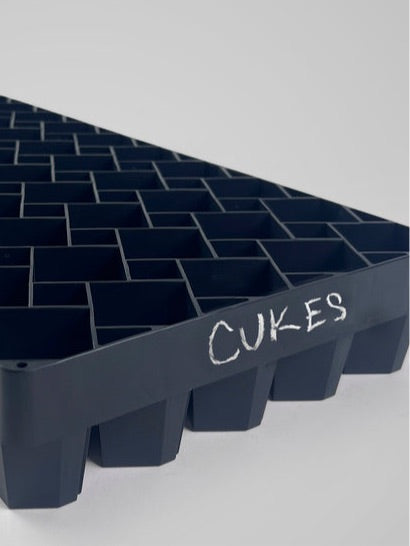
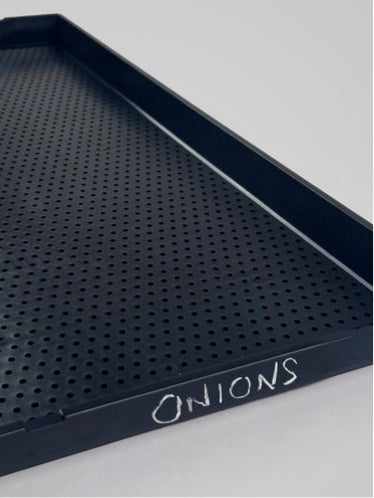
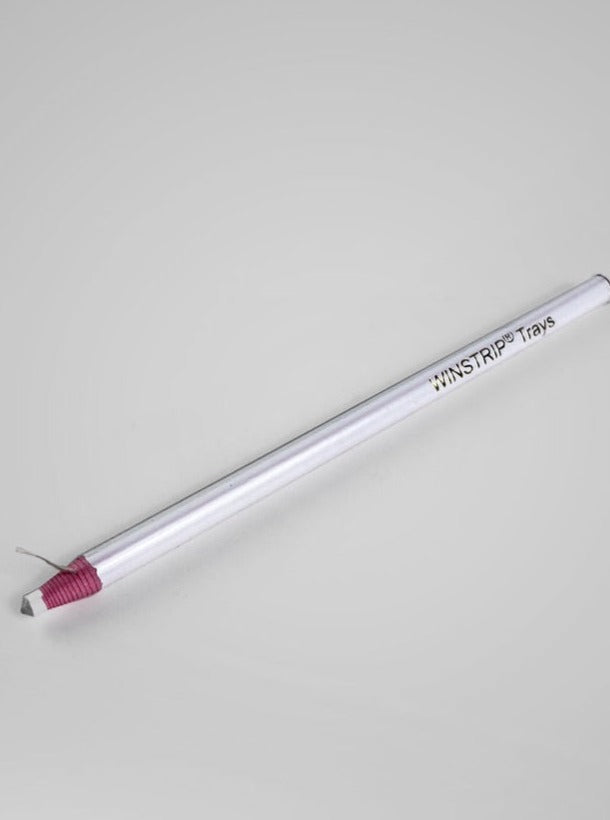
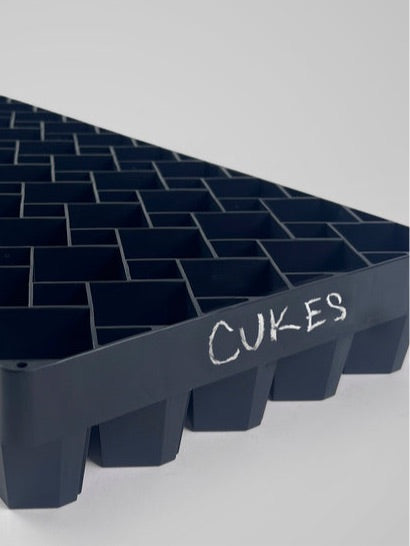
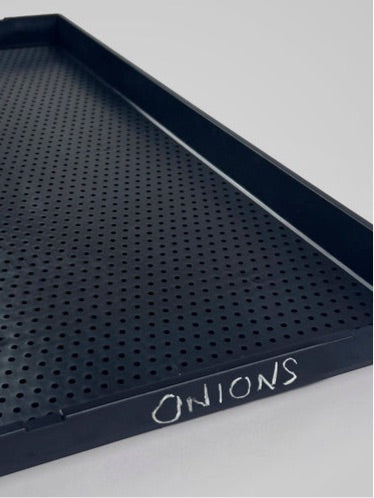
The Winstrip® Tray Marking Pencil is an economical and efficient solution for labeling trays and pots. Designed for Neversink Tools propagation trays and pots, it is easier to use than traditional sticks and produces waterproof, clear, large, legible text that is easy to read. Winstrip pencils provide a more cost-effective and efficient solution for labeling, making your work easier. To remove the writing, simply rub it off with a cloth and oil.
COMPATIBILITY
Designed for marking directly on all Neversink Tools propagation trays and pots, including Winstrip® Trays, Mini Wini® Trays, Winstrip® XL Pots, Floret Winstrip® 72 Deep Tray, Paperpot trays, and our other plastic propagation trays.
The waterproof writing stays legible through normal growing and watering and can be removed with a cloth and oil.
Buy one and get a second at half price.
Orders over $200 in the US48 SHip Free except Pallet Orders - We cover up to $500 of the freight cost. Any amount over that is the responsibility of the customer. Check Terms For More Info
Winstrip® is a registered trademark of Neversink Tools
Made in the USA by us from food grade BPA-free recycled plastic

Roots obviously grow downward. Every nursery tray has only a round drainage hole at the bottom of the cell. Roots hit the bottom of the tray and circle around and around that hole.
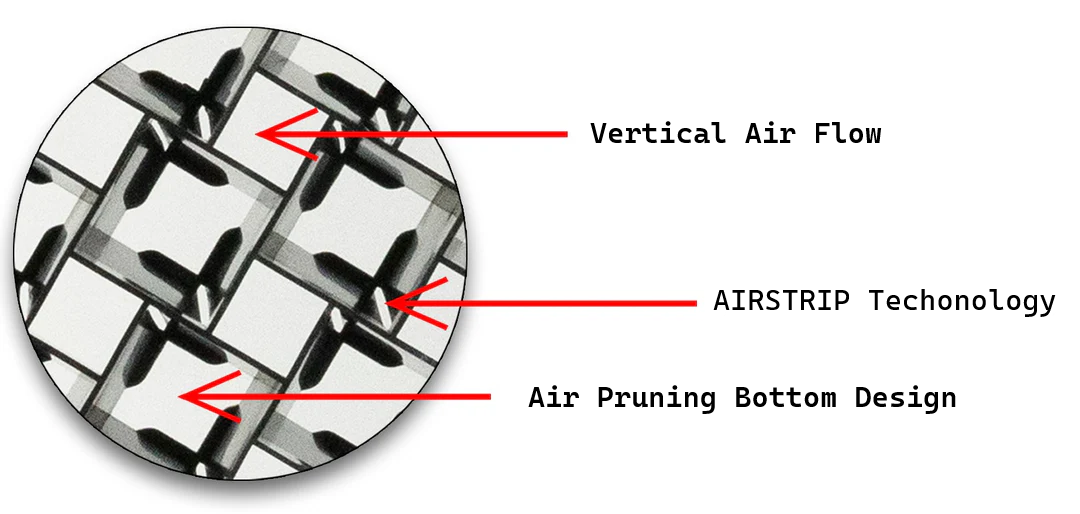
The Winstrip Trays' unique bottom design combined with AIRSTRIP technology stops roots from circling even if the plant is overgrown. It is all about that Winstrip shape at the bottom of the cell. It holds in soil and air prunes.
Winstrip cell trays are guaranteed against breakage during normal use for five years.*

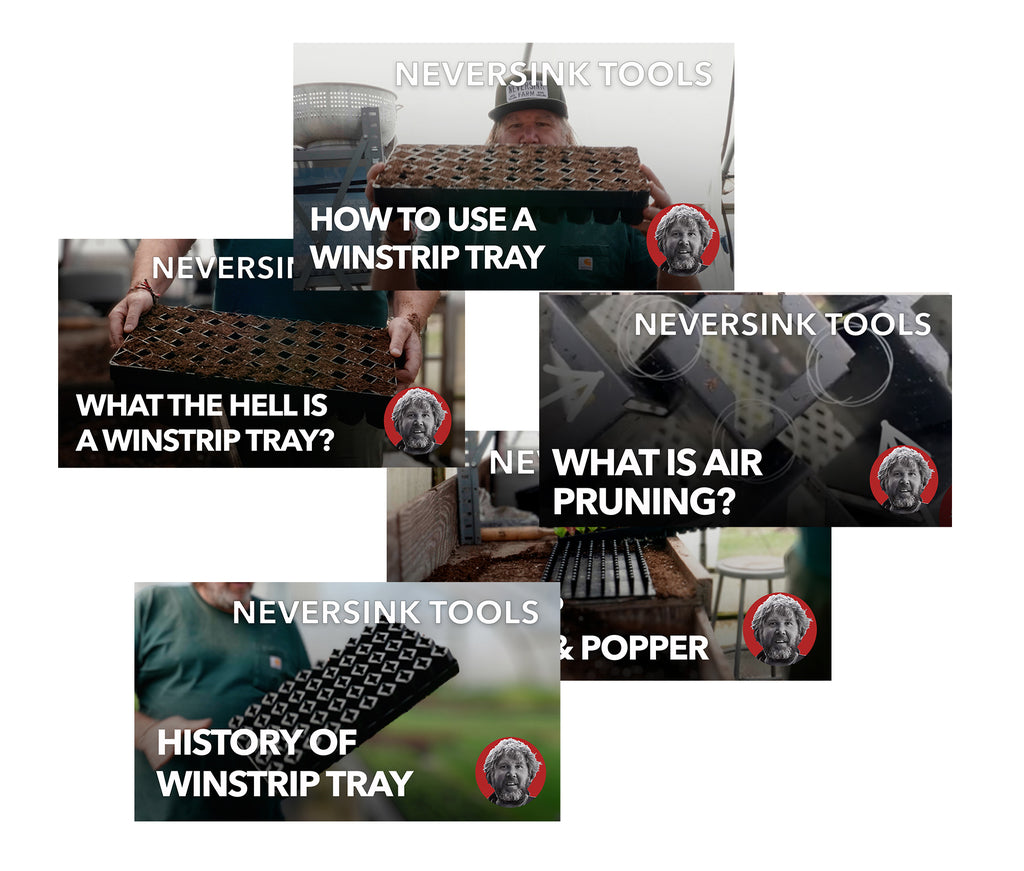
For more information about using our Winstrip Trays, check out our YouTube Winstrip Playlist.
Winstrip Trays durability and rigidity combined with the ease at which plugs can be popped make them the preferred choice for use with mechanical transplanters.
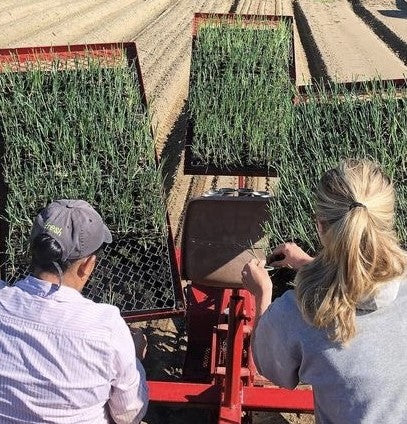


Winstrip Trays use a special shape to prevent roots from circling.
"Switching to Winstrip Trays had the biggest affect on my farm's production compared to all the changes we have made at Neversink over the years." -Conor Crickmore
Benefits
Air pruning
Stronger Roots
Eliminates Over watering
Do not dry out as easily
Better Plant Survival
Healthier with Less Disease
Air Circulation Around Cells
Fast to fill
Colored nursery trays can be appealing, but they break down quickly under prolonged sunlight. Our trays use carbon black, which provides the best UV protection and allows them to withstand professional use for more than 30 years. Because our focus is on durability and long-term value for professional growers, offering brightly colored trays would be inconsistant with who we are as a company.


The Large Winstrip Shape that extend across the bottom of the cell not only make it easy to remove starts but air prune the roots preventing root circling. Thus Transplants can be left longer in the tray if needed. Transplants are also healthier and grow quickly when transplanted.
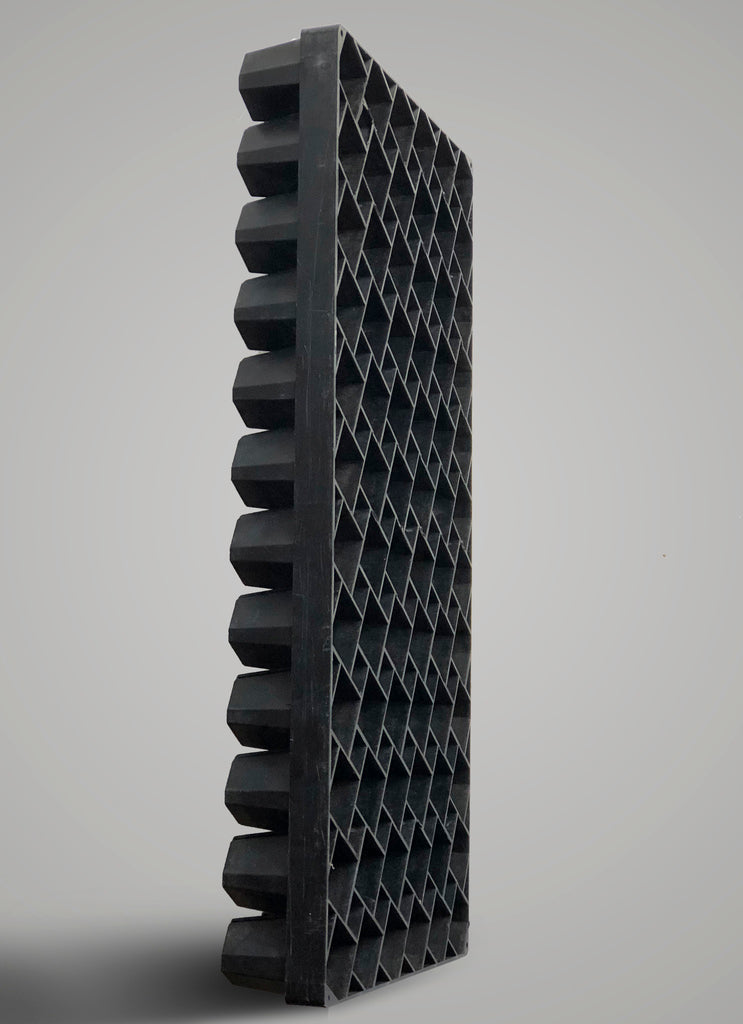
Each tray weighs in at over 1.7 pounds. They stack and nest for easy storage. They are made with thick UV resistant plastic of the highest quality to last for many, many years. I have had mine for 20 years and they still work great.

Winstrips open cell design allows more air which creates a healthier environment. Each cell has vertical air spaces and Airstrips where air can flow around each cell. More importantly these slits extend all the way to the bottom corners of the cell. This creates healthy starts with much less disease.
Bottom trays are a great addition to water Winstrips from below. Our indestructible trays are the best made.
Unlike regular flimsy vacuum formed nursery trays, Winstrips do not require a bottom tray for handling. Winstrips can be moved around easily with one hand.
For farm scale use in Greenhouses, Winstrip Trays can be used directly on vented tables to get the best air circulation.
photo: Joe Gardener
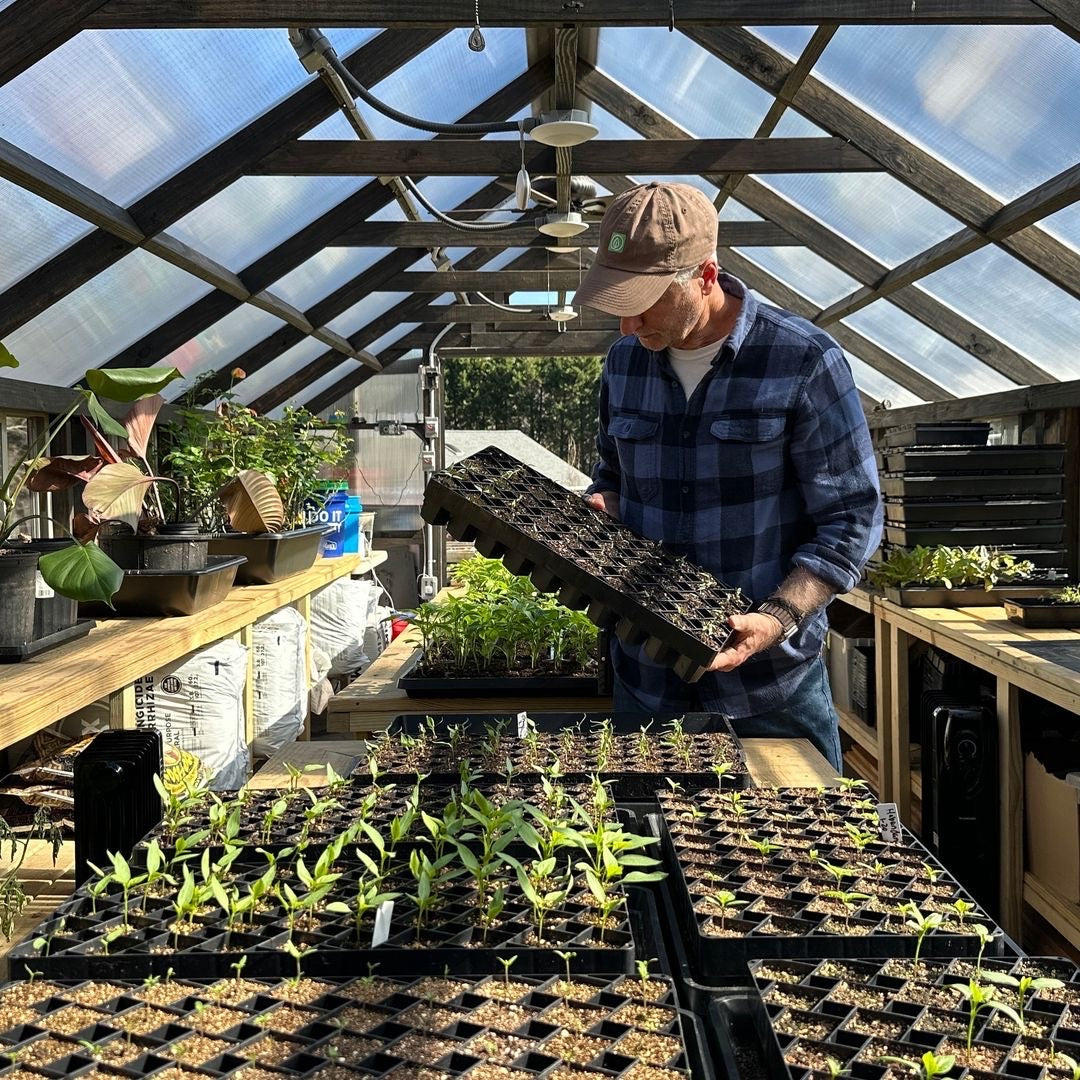
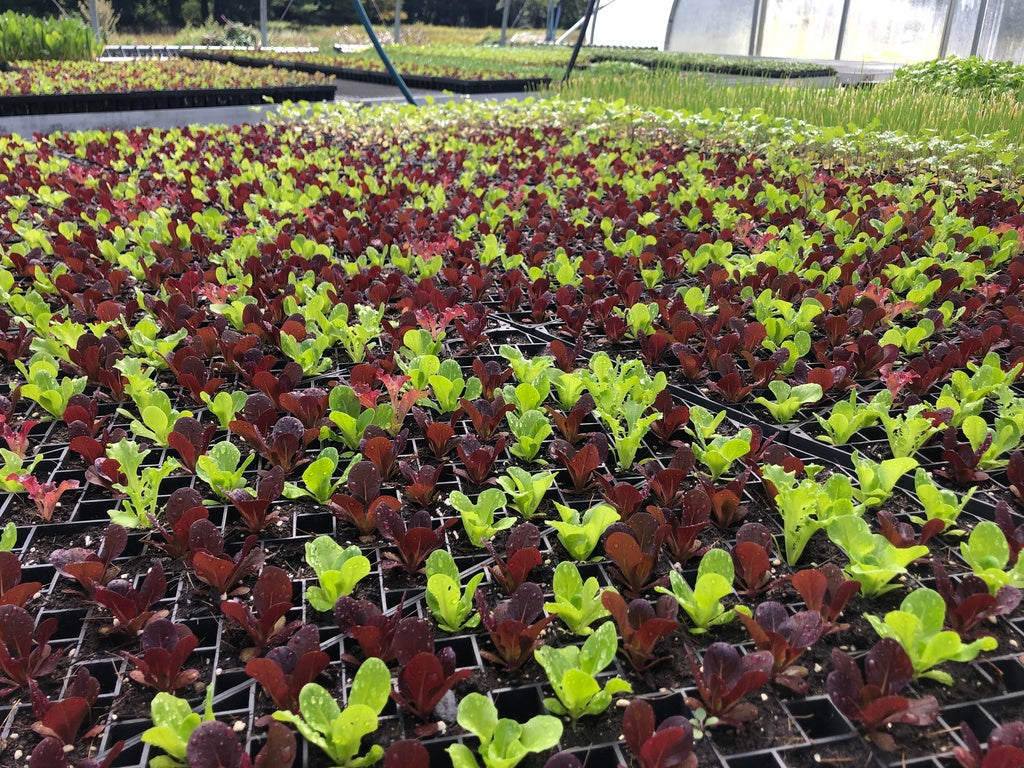
Conor's Tip
50 - Tomato, Cucumber, Artichoke, Squash, Eggplant, Pepper, Melon, Pumpkins
72 - Broccoli, Cabbage, Brussel Sprout, Bean, Cauliflower, Kale, Chard, Collards, Corn, Parsley
128 - Lettuce Head, Beet, Celery, Bok Choy, Fennel, Kohlrabi, Leek, Onion, Pea, Basil, Scallion
200 and 288 - Are great space savers as they take up very little space on your tables or in the germination chamber. Perfect for poor germinating varieties before potting on or high production crops.
Cell Size - 1.6" width x 2.72" Depth
Cell Volume - 6 in³ (98 cc)
Tray Volume - 4.916 liters
Tray Dimension - 19.56" x 9.75"
Cell Size - 1.3" width x 2.3" Depth
Cell Volume - 3.4 in³ (55 cc)
Tray Volume - 4.06 liters
Tray Dimension - 19.88" x 9.94"
Cell Size - 1" width x 1.9" Depth
Cell Volume - 1.4 in³ (23 cc)
Tray Volume - 2.936 liters
Tray Dimension - 19.69" x 9.88"
Cell Size - .9" width x 1.6" Depth
Cell Volume - 1.25 in³ (20 cc)
Tray Volume - 4.096 liters
Tray Dimension - 19.6" x 9.75"
Cell Size - .72" width x 1.3" Depth
Cell Volume - .68 in³ (11.25 cc)
Tray Volume - 2.359 liters
Tray Dimension - 20.38" x 10.25"
Winstrip trays use an open cell and bottom design that exposes root tips to air as they reach the edges and bottom of the cell. This helps stop roots from circling and encourages a more branched root system.
Avoid relying on trays that have a round drainage hole at the bottom of each cell. Roots can reach the bottom and continue growing around that opening instead of being consistently exposed to air. Effective air-pruning trays expose more of the cell edge and bottom to air so root tips are pruned as they reach those surfaces.
Winstrip trays are available in 50, 72, 128, 200, and 288 cell layouts. Larger cells such as 50 and 72 are commonly used for larger or longer-grown transplants, while 200 and 288 trays save greenhouse and germination-chamber space for high-production crops or varieties that will be potted on. Choose based on crop size, how long the plant will remain in the tray, and your transplanting workflow.
No. Winstrip trays are rigid enough to handle without a bottom tray. A bottom tray is optional and is useful for bottom watering, drainage, or carrying. For maximum air circulation in farm-scale greenhouse use, Winstrip trays can also be placed directly on vented benching.
Yes. Use a Solid Indestructible Bottom Tray beneath the Winstrip tray for bottom watering. A Vented Indestructible Bottom Tray can be nested inside a Solid tray when you want extra drainage and to help keep plugs from sitting in water.
Yes. Their rigidity and the ability to pop plugs from the cells make Winstrip trays well suited to mechanical transplanting workflows.
Choose the board that matches the tray cell count: 50, 72, 128, 200, or 288. The 72-cell board also fits the Floret Winstrip 72 Deep Tray.
For plug removal from 200- and 288-cell Winstrip trays, use the matching 200 or 288 Dibble Board & Plug Popper together with the Winstrip Popping Frame. The frame supports the tray while the plugs are pushed out from below.
Some other 1020-format trays may fit for dibbling, but tray dimensions vary by manufacturer. Confirm the cell spacing and tray dimensions before use. Flimsy 1020 trays may not be suitable for plug popping.
The air-pruning design helps prevent the root circling that commonly occurs in conventional nursery cells. That gives growers more flexibility when seedlings need to remain in the tray longer before transplanting.
